



Agri Food SMEs
The agriculture, food processing and retailing sectors are where the majority of Cambodian MSMEs are based. While the number of SMEs sourcing, producing and retailing agri-food products locally is increasing, most of them are still facing significant hurdles along the value chain, such as: accessing capital; lack of infrastructure and skilled workers; high cost of raw materials; challenges with marketing and achieving quality standards and lack of capacity to export.
70%
Employment in MSMEs
58%
Sale Value industry from MSMEs
33%
MSMEs are women-owned

WORKSHOPS/ EVENTS/TRAINING
.png)

RESEARCH/PUBLICATIONS
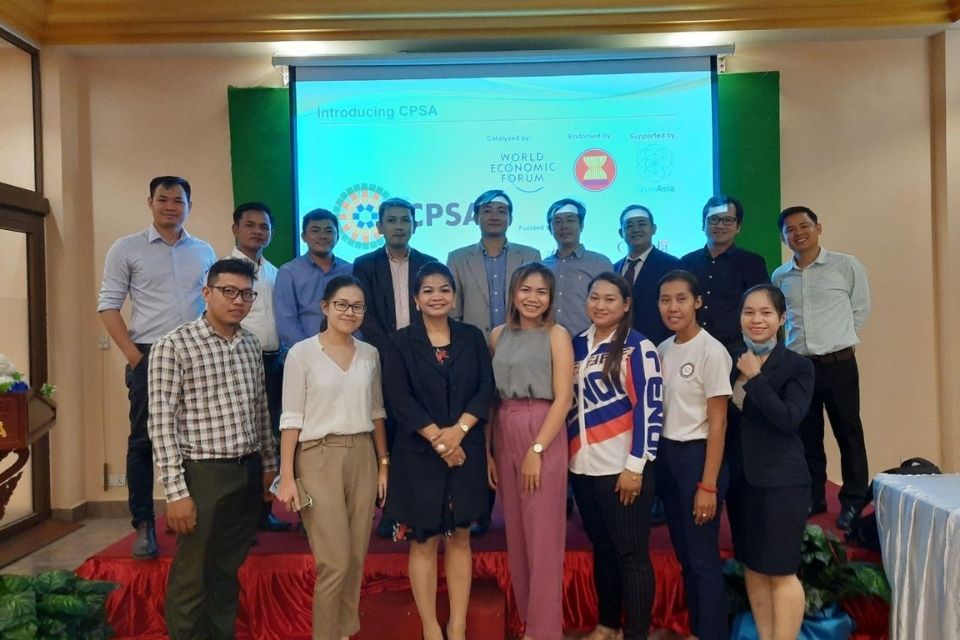
On 12th August 2020, the Agri-Food SMEs Core Group was organized in order to develop WG Strategic Plan 2021-2023. The first draft plan was produced as a result. The first draft plan was then taken into discussion during a public workshop on10th September, in order to gather more inputs from the general WG’smembers. The strategic plan separated into 4 main areas:
1. Policy and lobby
2. Agri-Food SMEs Promotion
3. Agri-Food SMEs Working Group Capacity Building and Outreach
4. Agri-Food SMEs Development.
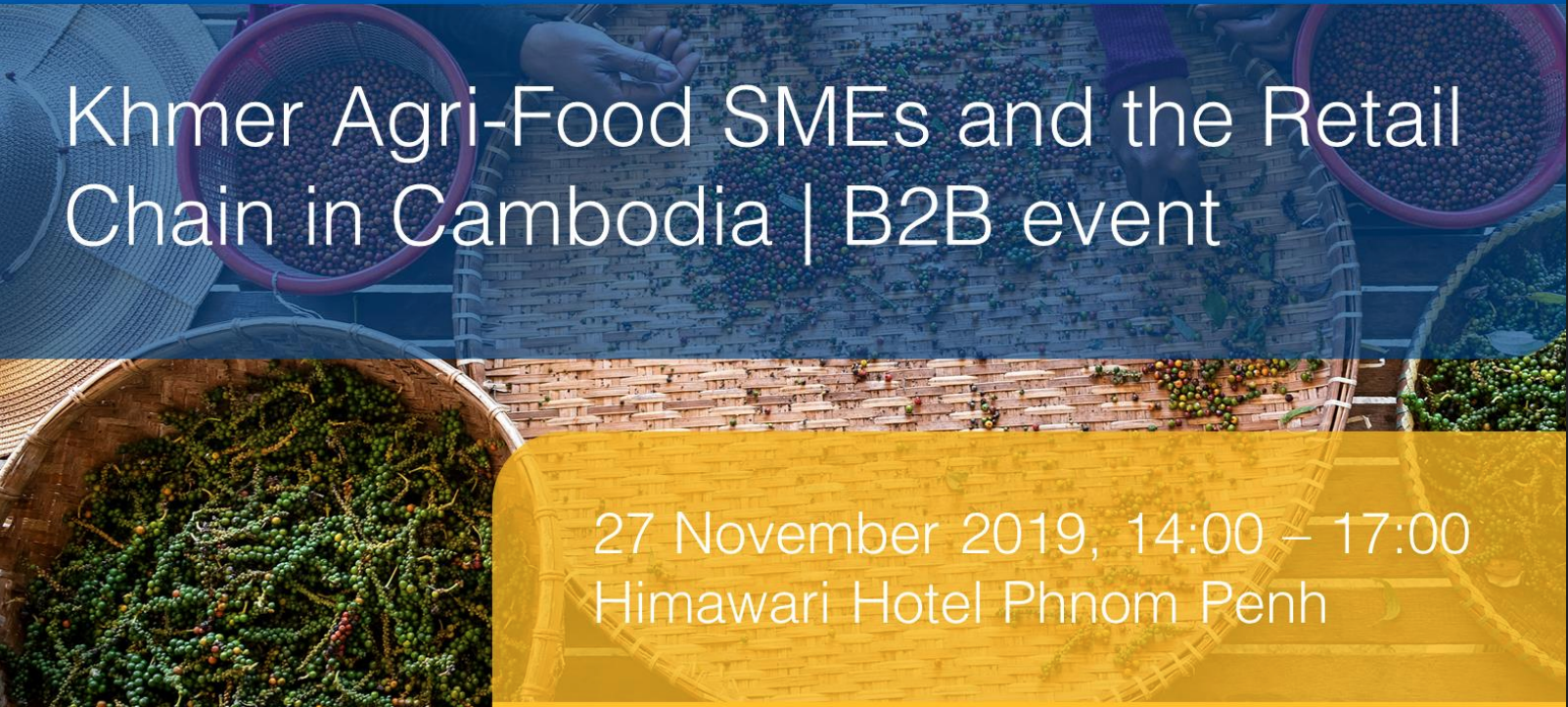
On 27 November 2019, the first public event of the Agri-Food SMEs Working Group was held as a business-to-business (B2B) match-making event between 28 SMEs of the Working Group and 10 guest local retail chains.
Please find the report here: https://drive.google.com/file/d/1e5tuG6lRQC8KpqAuTtIO9tyNFMqPKTfn/view?usp=sharing
Sokunthea Hor
Owner of Kunthea Natural Rice
“ In my experience with the rice commodity, there are several factors contributing to low local consumption. One of the reasons is the high price due to the high cost and small scale of local production, leading to high production cost per unit. This can be seen in retail prices where imported products are still cheaper than local products, even after taxes and transportation costs. Local consumers are still price sensitive and prefer cheaper products, even when they are of lesser quality and have no traceability.”


Num Dima
Owner of Coffee Mondulkiri
“As a suggestion to retailers, they could plan regular meetings with SMEs (for e.g. every six months) to understand their challenges and areas of improvement. Retailers can also explore setting up a special day to promote domestic products or, provide a space in their shops exclusively for the promotion of local products.”
OUR CURRENT MEMBER
- Kirirom Food Production Co., Ltd (KFP)
- Coco Khmer International Pte., Ltd
- ECO-Agri Co, Ltd.
- Confirel Co., Ltd
- Department of SMEs, MIH
- Domnek Resort
- Golden Palm Enterprises
- Golden Yem Co., Ltd
- HESED Agriculture Trading Co., Ltd
- IBIS Rice Conservation Co., Ltd
- Khmer Mekong Food Co., Ltd
- Khmer Organic Cooperative Co., Ltd (KOC)
- Kunthea Natural Rice (KNR)
- L’irresistible
- Lyly Food Industry Co., Ltd
- Sela Pepper Co., Ltd
- Signatures of Asia Co., Ltd (SOA)
- Specialized Cambodia Produce Co., Ltd (SCP)
- ICCO Cooperation
- IFAD’s Agriculture Services Programme for Innovation, Resilience and Extension (ASPIRE)
- Indochina Agriculture Processing Co., Ltd
- Kandal Provincial Department of Agriculture Forestry and Fisheries
- Natural Agriculture Village (NAV)
- Organic Vegetables Business Cluster Koh Tonlea
- Organic Vegetables Business Cluster Krang Yov
- Royal University of Agriculture
- Safe Vegetables Business Group Svay Chour
- Safe Vegetables Business Group Orumchek
- SNV’s Cambodia Horticulture Advancing Income and Nutrition (CHAIN II) Project
- USAID’s Feed the Future Cambodia Harvest II Project (Harvest II)
